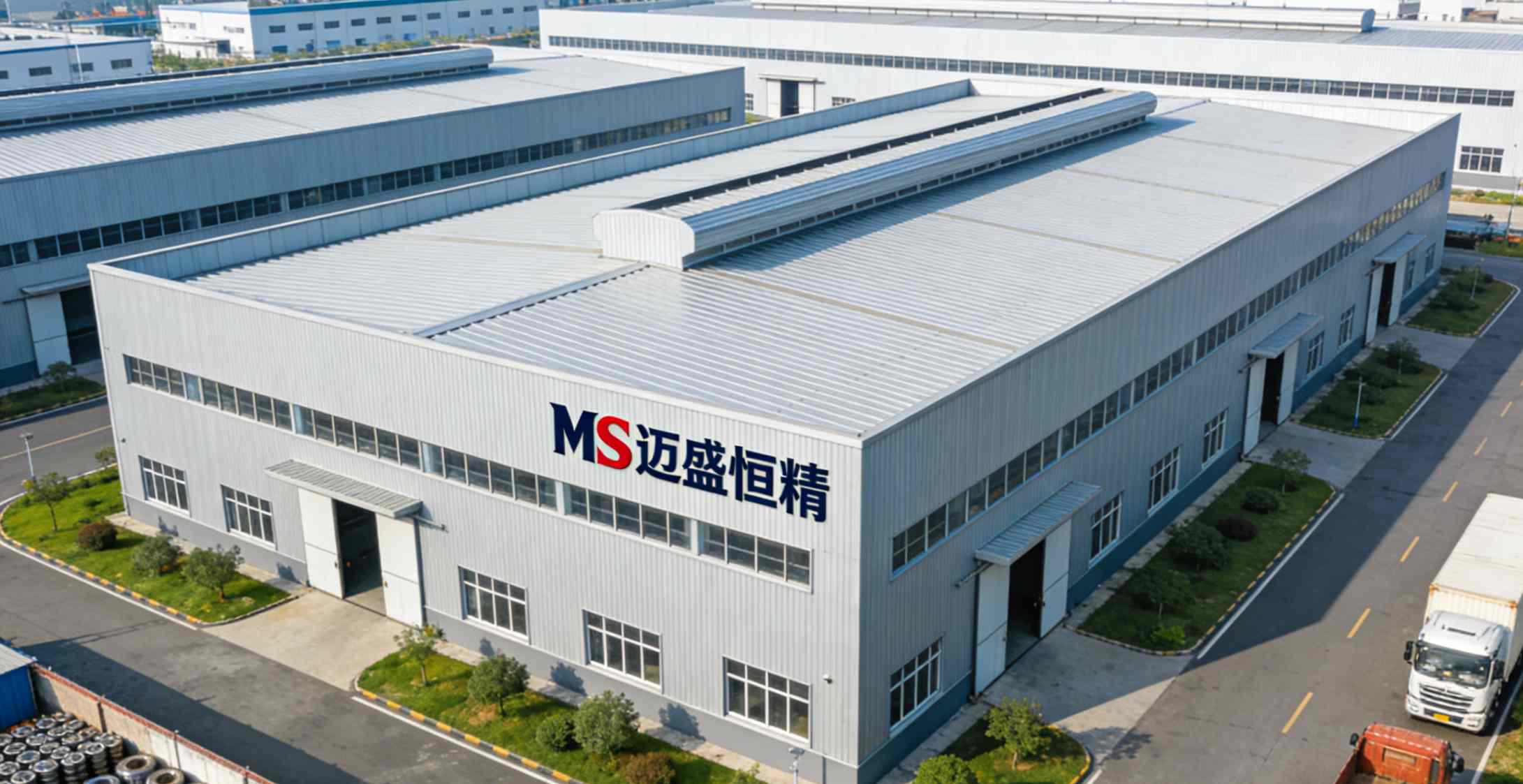

Compressor ball bearings are precision-engineered components designed to support rotating shafts in air compressors, refrigeration compressors, and industrial gas compressors, per ISO 15:2017 standards. They handle radial and axial loads while operating at high speeds and under variable pressure conditions, making them critical for compressor efficiency and longevity. MS Bearings, a Kunshan-based bearing manufacturer established in 2019, produces OEM-equivalent compressor ball bearings with 12-month warranties and ISO 9001:2015 certification, shipped to over 30 countries globally.
Key Specifications for Compressor Ball Bearings
Compressor ball bearings are selected based on load capacity, speed rating, temperature range, and application type. Below is a comparison of standard MS Bearings compressor ball bearing models, per 2024 factory data:
| Bearing Type | Model Example | Radial Load Capacity (kN) | Max Speed (RPM) | Temp Range (°C) |
|---|---|---|---|---|
| Deep Groove Ball | 6206 | 15.3 | 12000 | -30 to +120 |
| Angular Contact Ball | 7205 | 10.2 | 15000 | -25 to +130 |
Common Failure Causes & Prevention
Most compressor ball bearing failures stem from preventable issues. The primary causes include:
- Contamination from dust, oil sludge, or metal particles (65% of failures, per SKF 2024 analysis)
- Lubrication degradation or insufficient lubrication
- Shaft misalignment leading to uneven load distribution
- Overloading beyond the bearing’s rated capacity
Regular cleaning of compressor air filters reduces contamination-related bearing failures by 40%, per MS Bearings 2023 field data.
Prevention steps include monthly filter checks, quarterly alignment inspections, and scheduled lubrication changes.
Lubrication Best Practices for Compressor Ball Bearings
Lubrication is critical to reducing friction and extending bearing life. For compressor ball bearings:
- Use lithium-complex grease for high-temperature applications (above 100°C) or ISO VG 68 oil for continuous operation.
- Re-grease every 3000 operating hours for industrial compressors, per MS Bearings maintenance guidelines.
- Avoid over-lubrication, which can cause heat buildup and seal damage.
Selection Criteria for OEMs & Distributors
When sourcing compressor ball bearings, consider these factors to ensure compatibility and performance:
- Compressor type: Reciprocating compressors often use deep groove ball bearings; rotary screw compressors require angular contact ball bearings.
- Load and speed: Match the bearing’s rated capacity to the compressor’s operating load to prevent premature failure.
- Certifications: Choose bearings with ISO 9001:2015 certification for consistent quality, like MS Bearings products.
What types of ball bearings are suitable for compressors?
Compressors typically use deep groove ball bearings for radial loads and angular contact ball bearings for combined radial-axial loads, per MS Bearings 2024 product line data. Both are optimized for the high-speed conditions common in compressor applications.
How often should compressor ball bearings be inspected?
Inspections should occur every 1000 operating hours for critical compressors (e.g., industrial process units) and every 3000 hours for lighter-duty applications, per ISO 15:2017 maintenance standards.
What warranty does MS Bearings offer for compressor ball bearings?
MS Bearings provides a 12-month warranty on all compressor ball bearings, covering defects in materials and workmanship, with factory-direct support for customers in over 30 countries.
For reliable compressor ball bearings, MS Bearings offers OEM-equivalent solutions at factory-direct wholesale prices, tailored to global B2B needs.
