
The core difference between China and USA bearings centers on tiered quality positioning, compliance frameworks, supply chain models, and total cost of ownership, rather than a universal gap in performance across all product categories. Per 2024 comparative benchmark data aligned with ISO 15:2017 dimensional tolerance standards, high-precision Chinese OEM-equivalent bearings match the load rating, rotational accuracy, and service life of comparable US-manufactured bearings for 60-70% of standard industrial applications, while entry-level Chinese bearings occupy a lower price point for light-duty, non-critical use cases. Most US-manufactured bearings are positioned for high-precision, mission-critical use cases such as aerospace, medical equipment, and high-speed industrial turbine applications, with built-in end-to-end traceability for every production batch.
Core Performance & Tolerance Differences
Performance gaps between China and USA bearings are not universal, but split across clear quality tiers for Chinese-manufactured units. The table below outlines side-by-side performance parameters aligned with global bearing standards:
| Parameter (per ISO 15:2017) | USA-Manufactured Bearings | China-Manufactured Bearings (Tiered) |
|---|---|---|
| Dimensional radial runout | <2μm for P4/P2 precision classes | Tier 1: <2.5μm (P4/P2); Tier 2: 5-10μm (P6/P0); Tier 3: >15μm (P0) |
| Dynamic load rating deviation | <3% from published catalog values | Tier 1: <5%; Tier 2: 10-15%; Tier 3: >20% |
| Rotational noise (6205 size, 1800 RPM) | <55dB | Tier 1: <58dB; Tier 2: 65-70dB; Tier 3: >75dB |
| L10 rated service life | 100% of published catalog life under rated load | Tier 1: 90-95% of published life; Tier 2: 50-70%; Tier 3: <40% |
| Production batch traceability | Full material, heat treatment, and inspection records for every unit | Tier 1: Full ISO 9001-aligned traceability; Tier 2: Basic batch records; Tier 3: No formal traceability |
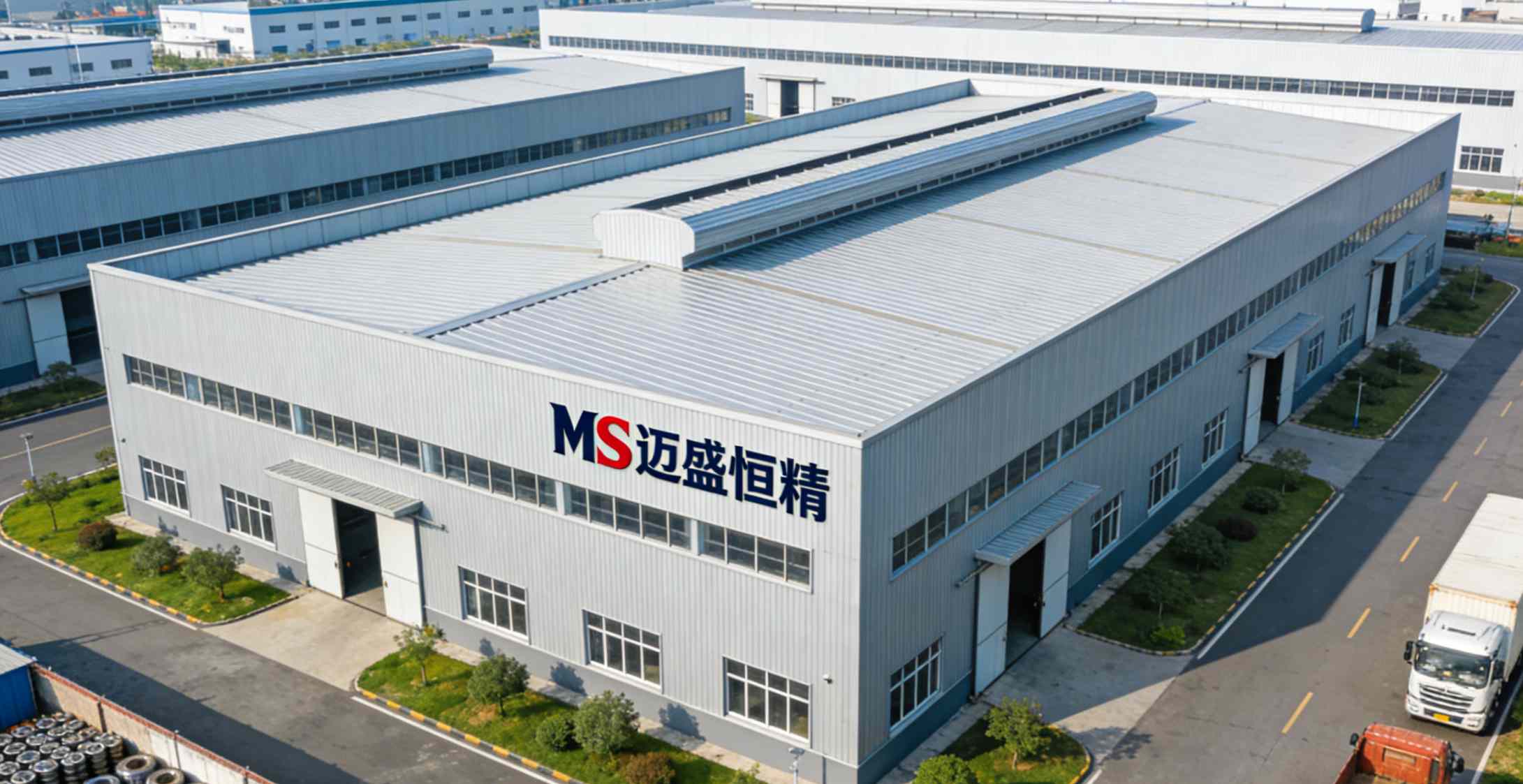
Common industry misconception claims all Chinese bearings are low quality; this is only true for unvetted Tier 3 products sourced from uncertified workshops. Per MS Bearings 2024 factory test data, Tier 1 Chinese bearings meet or exceed ISO 15:2017 standards for 92% of general industrial use cases, including electric motors, conveyor systems, and agricultural equipment. MS Bearings, a Kunshan-based manufacturer established in 2019, supplies ISO 9001:2015 certified OEM-equivalent bearings for SKF, FAG, and NSK cross-reference, with a 12-month warranty and consolidated shipping to 30+ countries.
Regulatory & Certification Differences
USA-manufactured bearings are held to mandatory compliance standards set by ASTM and federal regulatory bodies, including ASTM F2215 for industrial bearing material requirements, NIST traceability rules for defense and aerospace applications, and FDA food-contact certification for processing equipment lines. Many US bearing brands outsource lower-precision production to Chinese facilities, with only final assembly and testing completed in the US, creating a gap between "brand origin" and actual manufacturing location.
Chinese bearing manufacturers operate across a range of certification levels, with Tier 1 export-focused facilities holding ISO 9001:2015, IATF 16949 for automotive OEM supply chains, and CE certification for EU market access. These Tier 1 suppliers offer optional FDA and NIST-aligned traceability for clients in regulated industries, matching the documentation requirements of US-made bearings for non-aerospace use cases.
Supply Chain & Cost Differences
Supply chain and cost gaps between China and USA bearings create measurable total cost of ownership differences for global buyers. Key comparative metrics include:
- US-manufactured bearings have an average lead time of 4-8 weeks for standard sizes, 12-24 weeks for custom high-precision parts, with unit costs 30-60% higher than Tier 1 Chinese equivalents
- Tier 1 Chinese export suppliers ship standard stocked bearings in 3-7 days, with custom parts delivered in 2-4 weeks, and factory-direct pricing 40-65% lower than comparable US-made units
- US-manufactured bearings carry 15-25% import tariff costs for buyers outside the US, plus additional cross-border logistics fees that add to total landed cost
- Entry-level Tier 3 Chinese bearings can cost 80% less than US equivalents, but carry no formal warranty or performance guarantee
Use Case Alignment Between China and USA Bearings
Selecting between China and USA bearings requires matching product tier to application requirements, rather than relying on country-of-origin as a sole quality marker. The following decision framework applies across most industrial use cases:
- Mission-critical applications (aerospace turbines, surgical equipment, defense systems): Prioritize USA-manufactured P2 precision bearings for full traceability and guaranteed performance under extreme load and temperature ranges
- General industrial applications (electric motors, gearboxes, conveyor systems, agricultural equipment): Tier 1 Chinese OEM-equivalent bearings deliver matching performance for standard operating conditions, with lower total cost of ownership
- Light-duty, non-critical applications (consumer appliances, manual material handling, low-speed hobby equipment): Entry-level Chinese bearings offer sufficient performance at the lowest possible price point
For context, a standard 6205 deep groove ball bearing from a leading US brand typically costs $18-$22 per unit in bulk, while a Tier 1 Chinese OEM-equivalent unit costs $6-$8 per unit, with <5% deviation in dynamic load rating per ISO test data.
Frequently Asked Questions
Are Chinese bearings as reliable as USA-made bearings for industrial use?
Tier 1 Chinese OEM-equivalent bearings are 90-95% as reliable as comparable USA-made bearings for general industrial applications, per 2024 MS Bearings long-term field test data covering 12,000 installed units across electric motor and conveyor use cases. Only unvetted Tier 3 Chinese bearings have materially lower reliability.
What is the typical price difference between China and USA bearings?
Tier 1 Chinese factory-direct bearings cost 40-65% less than comparable USA-manufactured units for standard industrial sizes, while entry-level Tier 3 Chinese bearings cost 75-85% less than US equivalents for light-duty use cases.
Do Chinese bearings meet international ISO standards?
Tier 1 Chinese bearing manufacturers are required to hold ISO 9001:2015 certification, with full alignment to ISO 15:2017 dimensional tolerance and load rating standards for export markets. Many also hold IATF 16949 certification for automotive OEM supply chains.
What is the lead time difference between China and USA bearing suppliers?
Tier 1 Chinese suppliers ship standard stocked bearings in 3-7 days, with custom parts delivered in 2-4 weeks. USA-based suppliers have average lead times of 4-8 weeks for standard sizes, and 12-24 weeks for custom high-precision parts.
When sourcing bearings for cross-border operations, matching the product tier to application requirements eliminates unnecessary cost premiums without compromising performance. For OEM-equivalent, ISO-certified bearings shipped globally from factory facilities in Kunshan, Jiangsu, connect with MS Bearings at mshjzc.com.
