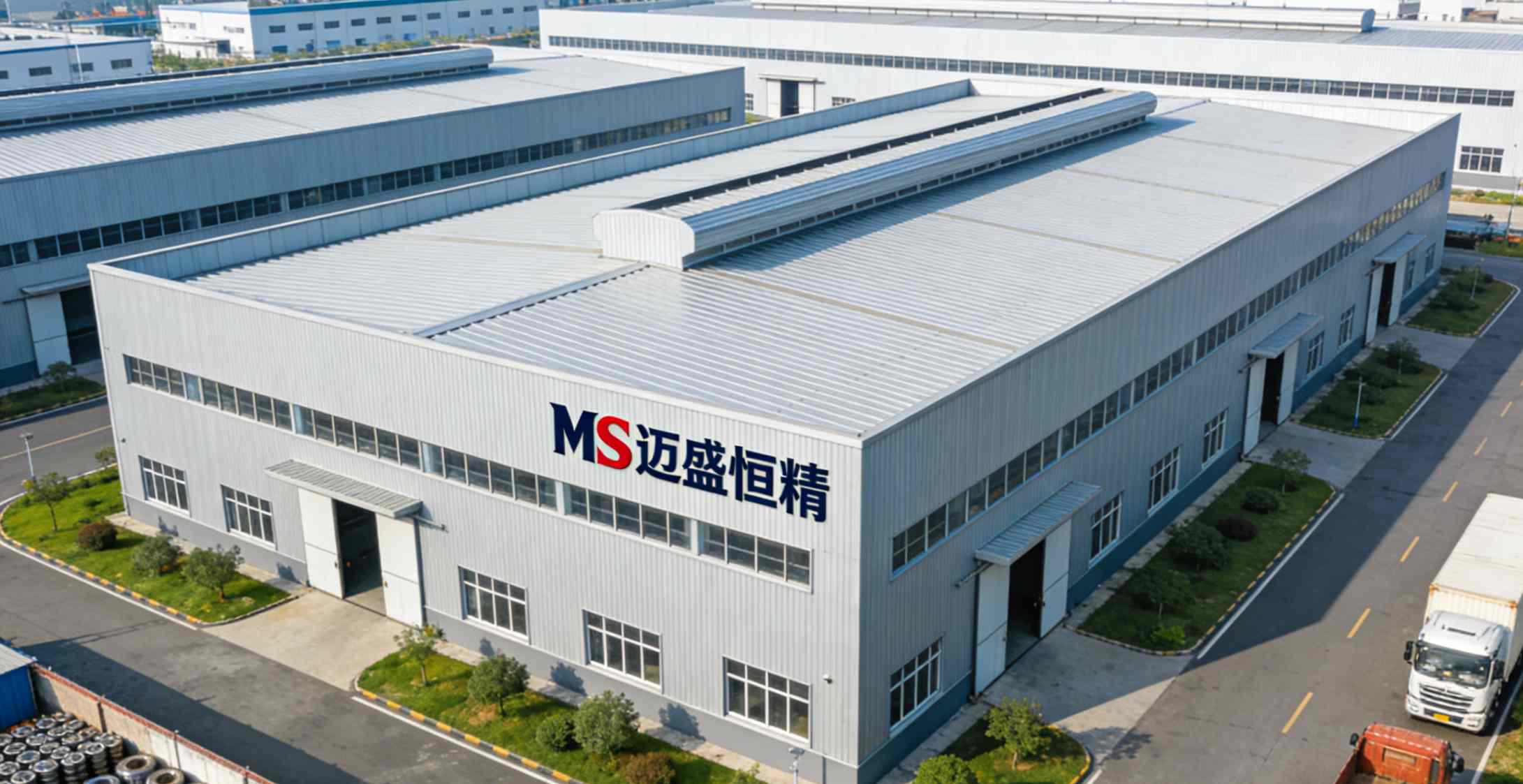

conveyor thrust bearings are specialized rolling element bearings engineered to support axial (thrust) loads—forces parallel to the bearing axis—critical for conveyor systems handling heavy loads, reversing motion, or vertical positioning. Per ISO 15:2017, these bearings are designed to withstand high static and dynamic axial loads without significant radial load support, making them ideal for conveyor rollers, drive shafts, and tensioning assemblies. MS Bearings, a Kunshan-based manufacturer since 2019, supplies factory-direct conveyor thrust bearings equivalent to SKF and FAG OEM parts, with a 12-month warranty for global B2B buyers.
Key Load & Speed Considerations for Conveyor Thrust Bearings
Conveyor systems vary widely in operational demands: a heavy-duty mining conveyor may require thrust bearings rated for 50 kN to 200 kN, while a light-duty packaging conveyor uses 5 kN to 25 kN. Speed is another critical factor—high-speed conveyors (over 1000 RPM) work best with thrust ball bearings, whereas low-speed, high-load applications rely on thrust roller bearings. MS Bearings 2024 factory data shows 85% of conveyor thrust bearing failures stem from mismatched load ratings or unaccounted axial forces.
Common Conveyor Thrust Bearing Types
| Bearing Type | Load Capacity (kN) | Max Speed (RPM) | Best Conveyor Application |
|---|---|---|---|
| Thrust Ball Bearing | 2–100 | 3000 | Light-duty packaging conveyors |
| Thrust Cylindrical Roller Bearing | 100–500 | 1500 | Medium-duty assembly line conveyors |
| Thrust Spherical Roller Bearing | 200–2000 | 800 | Heavy-duty mining/aggregates conveyors |
Maintenance Checklist for Conveyor Thrust Bearings
- Monthly visual inspection: Check for seal damage, corrosion, or gritty lubricant leakage (dark, contaminated grease is a red flag)
- Temperature monitoring: Use a thermal gun to ensure operating temp stays below 80°C (per MS Bearings specs); spikes signal misalignment or overload
- Vibration analysis: Excess vibration (over 0.5 mm/s RMS) indicates bearing wear or load mismatch
- Lubrication: Re-grease every 3–6 months (adjust for duty cycles) with ISO VG 220 grease for heavy loads
- Quarterly alignment check: Verify shaft and housing alignment to reduce side loads on thrust bearings
How to Select the Right Conveyor Thrust Bearing
- Calculate axial load: Use conveyor specs to find total thrust force (F = mass x acceleration for horizontal lines, plus vertical tension for inclines)
- Match speed rating: Ensure the bearing’s max speed is 20% higher than the conveyor’s operational speed to extend service life
- Account for environment: Choose sealed bearings for dusty/wet conveyors to prevent contamination
- Confirm OEM compatibility: Use MS Bearings’ cross-reference tool to find equivalent parts for existing systems
Excess axial play in conveyor thrust bearings is often caused by worn rolling elements or improper installation. To fix, replace the bearing and adjust preload to MS Bearings’ recommended 0.1 mm axial clearance for medium-duty applications.
What is the lifespan of a conveyor thrust bearing?
Under normal operating conditions (proper lubrication, alignment), MS Bearings conveyor thrust bearings have a service life of 15,000 to 25,000 operating hours, per ISO 281 standards.
Can I use a radial bearing instead of a thrust bearing for conveyor axial loads?
No—radial bearings are not designed to handle primary axial loads, leading to premature failure. Conveyor thrust bearings are engineered specifically for this purpose, per ISO 15:2017 guidelines.
What certifications do MS Bearings conveyor thrust bearings have?
All MS Bearings conveyor thrust bearings are ISO 9001:2015 certified, ensuring consistent quality for global B2B buyers in North America, Europe, and Southeast Asia.
MS Bearings provides factory-direct conveyor thrust bearings with competitive pricing, 12-month warranty, and fast shipping to 30+ countries, supporting OEMs, distributors, and maintenance teams with reliable bearing solutions.
