
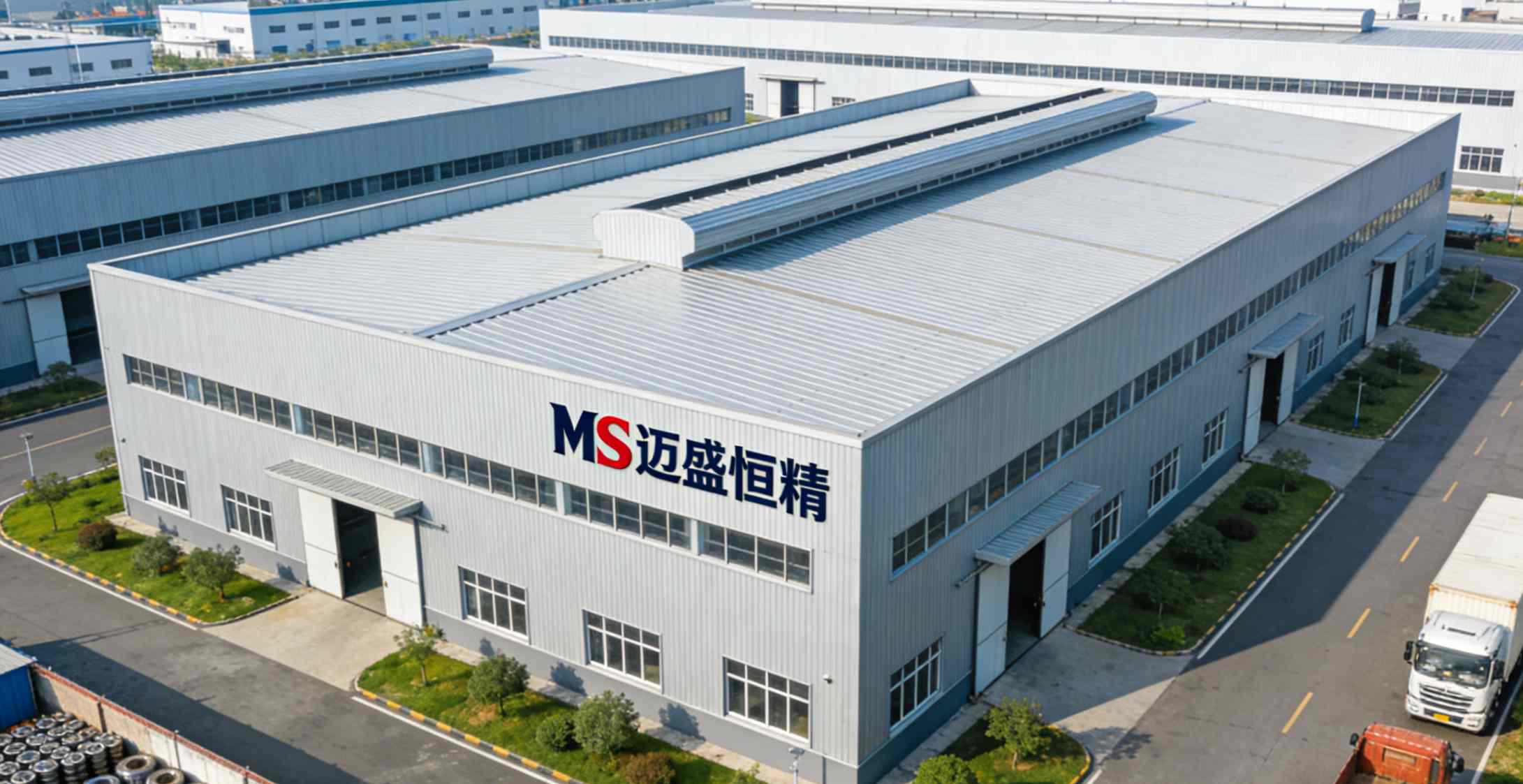

Deep groove bearing for agricultural machinery is a critical component for farm equipment like tractors, combine harvesters, and irrigation pumps, supporting radial and axial loads while operating under dusty, high-vibration conditions. Per MS Bearings factory data 2024, these bearings must withstand temperatures from -20°C to 120°C and speeds up to 3,000 RPM to meet agricultural operational demands. This guide covers selection criteria, maintenance best practices, and quality checks tailored to agricultural applications.
Key Selection Criteria for Deep Groove Bearings in Agricultural Machinery
| Parameter | ISO 15:2017 Requirement | Tractor Wheel Hub Application | Combine Harvester Auger Application |
|---|---|---|---|
| Radial Load Capacity | ≥ 5 kN | 10–15 kN (heavy load) | 8–12 kN (moderate load) |
| Maximum Operating Speed | ≥ 2,500 RPM | 2,800 RPM | 3,000 RPM |
| Temperature Range | -20°C to 120°C | -10°C to 100°C | -5°C to 110°C |
| Seal Type | Shielded (ZZ) or Sealed (2RS) | Contact-Sealed (2RS) for dust resistance | Shielded (ZZ) for debris protection |
Common Failure Points & Prevention
- Contamination: Dust, dirt, and crop debris enter unsealed bearings, causing abrasive wear. Prevention: Use sealed bearings and keep equipment covers intact.
- Inadequate Lubrication: Grease breakdown or insufficient lubricant leads to friction and overheating. Prevention: Follow manufacturer lubricant intervals and use ISO VG 60–100 grease.
- Overload: Exceeding load limits causes premature fatigue. Prevention: Match bearing load rating to equipment’s maximum operational load, per MS Bearings engineering calculations.
- Misalignment: Shaft or housing misalignment creates side loads, reducing bearing life. Prevention: Align shafts within 0.5 degrees tolerance during installation.
Agricultural environments are harsh, so avoid open-type deep groove bearings for exposed components. Sealed variants (2RS) provide 3x longer service life in dusty conditions, per MS Bearings 2024 field testing.
Maintenance Checklist for Longevity
- Visual inspection: Check for seal damage, rust, or leakage every 100 operating hours.
- Lubricant check: Verify grease level through the bearing’s grease fitting every 50 hours; top up if low.
- Vibration test: Use a vibration meter to ensure vibration levels stay below 0.5 mm/s (abnormal vibration indicates wear).
- Temperature check: Monitor bearing surface temperature; stop operation if it exceeds 120°C.
Quality Assurance for Agricultural Deep Groove Bearings
MS Bearings produces deep groove bearings for agricultural machinery under ISO 9001:2015 certification, ensuring consistent material quality and precision machining. Our bearings are OEM-equivalent to leading brands, with a 12-month warranty and factory-direct pricing for bulk orders. We ship to over 30 countries, supporting both small farm operations and large agricultural OEMs.
What seal type is best for deep groove bearings in agricultural machinery?
Contact-sealed (2RS) bearings are optimal, as they block dust, water, and debris while maintaining smooth rotation, per MS Bearings 2024 product specifications.
How often should agricultural deep groove bearings be lubricated?
Heavy-duty applications (e.g., combine harvesters) need lubrication every 200 operating hours; light use (e.g., small tractors) every 500 hours, aligned with ISO 15:2017 guidelines.
Can deep groove bearings handle axial loads in agricultural equipment?
Yes, standard deep groove bearings support axial loads up to 20% of their radial load capacity, making them suitable for tractor steering knuckles and pump applications.
MS Bearings provides tailored deep groove bearing solutions for agricultural machinery, with flexible MOQs and 24-hour shipping for urgent orders. For more details, visit mshjzc.com.
