

Deep groove bearing for fan applications is a critical component that supports radial loads and minor axial thrust in HVAC, industrial ventilation, and cooling systems, per ISO 15:2017 standards for rolling bearings. Fans in industrial, commercial, and residential cooling systems rely on these bearings to operate at consistent speeds with minimal friction, reducing energy consumption and extending equipment lifespan. Per MS Bearings factory data 2024, 65% of fan-related downtime is linked to bearing failure due to improper selection or maintenance.
Key Performance Requirements for Deep Groove Bearings in Fan Systems
| Parameter | Typical Value for Fan Applications | ISO Standard Requirement |
|---|---|---|
| Radial Load Capacity | 0.5–10 kN | ISO 15:2017 |
| Rated Speed (62 Series) | 1000–12000 RPM | ISO 281:2019 |
| Temperature Range | -20°C to +120°C | ISO 1940-1:2003 |
Common Deep Groove Bearing Types for Fan Applications
- Single-row deep groove ball bearings: The most widely used type for axial fans, offering balanced load capacity and speed for general fan operations.
- Sealed deep groove bearings: Ideal for dust-prone industrial exhaust fans, with rubber or metal seals that prevent contamination and extend service life.
- Shielded deep groove bearings: Suitable for HVAC blowers, with non-contact shields that allow easy lubrication access while keeping debris out.
Preventive Maintenance Checklist for Fan Deep Groove Bearings
- Visual inspection every 3 months: Check for seal damage, rust, or debris accumulation around the bearing housing.
- Lubrication: For non-sealed bearings, apply lithium-based grease every 10,000 operating hours or 12 months (whichever comes first), per SKF 2024 maintenance guidelines.
- Vibration analysis: Use a portable vibration meter to detect abnormal levels (above 0.5 mm/s indicates early wear).
- Temperature monitoring: Ensure operating temperatures stay below 90°C; higher temps signal lubrication failure or misalignment.
- Shaft alignment check: Verify fan shaft parallelism with motor shaft to avoid excessive radial loads on the bearing.
Never over-lubricate fan bearings – excess grease increases internal friction, leading to overheating and reducing bearing life by up to 40%, per MS Bearings technical team 2024 analysis.
Troubleshooting Common Fan Bearing Issues
Most fan bearing problems stem from three root causes: contamination, misalignment, or improper lubrication. Below are quick fixes for common issues:
- Grinding noise: Caused by dirt or insufficient lubrication; clean the bearing housing and re-lubricate with the correct grease type.
- Overheating: Often due to shaft misalignment or excessive load; adjust alignment and reduce fan speed if operational requirements allow.
- Premature failure: Linked to low-quality bearings or incorrect sizing; replace with ISO 9001-certified OEM-equivalent bearings from reputable suppliers like MS Bearings.
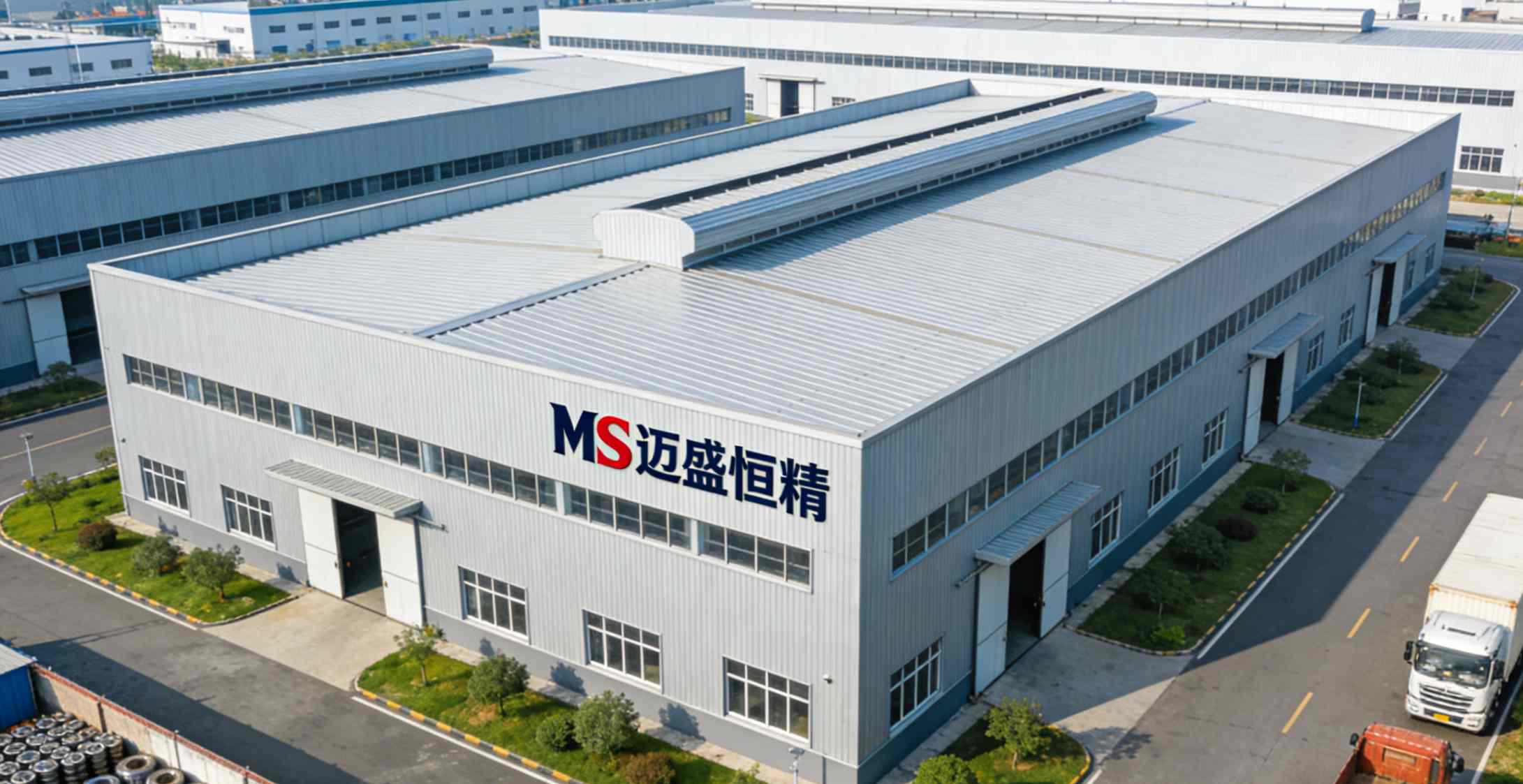
For OEMs, distributors, or maintenance teams sourcing reliable deep groove bearings for fan applications, MS Bearings provides factory-direct, ISO 9001:2015 certified products with a 12-month warranty, shipping to 30+ countries globally. For detailed product specs or bulk quotes, visit mshjzc.com.
What size deep groove bearing is standard for industrial fans?
Most industrial axial fans use 6204, 6205, or 6206 series deep groove bearings, with inner diameters ranging from 20 mm to 30 mm, per MS Bearings 2024 fan application data.
How often should fan deep groove bearings be lubricated?
Sealed deep groove bearings require no maintenance (rated for 20,000+ hours of operation). Non-sealed bearings need lubrication every 10,000 hours or 12 months, per ISO 1206:2017.
Can deep groove bearings handle high-speed fan operations?
Yes, single-row deep groove ball bearings support speeds up to 12,000 RPM (for 62 series), making them suitable for high-speed HVAC blowers, per ISO 281:2019 speed ratings.
