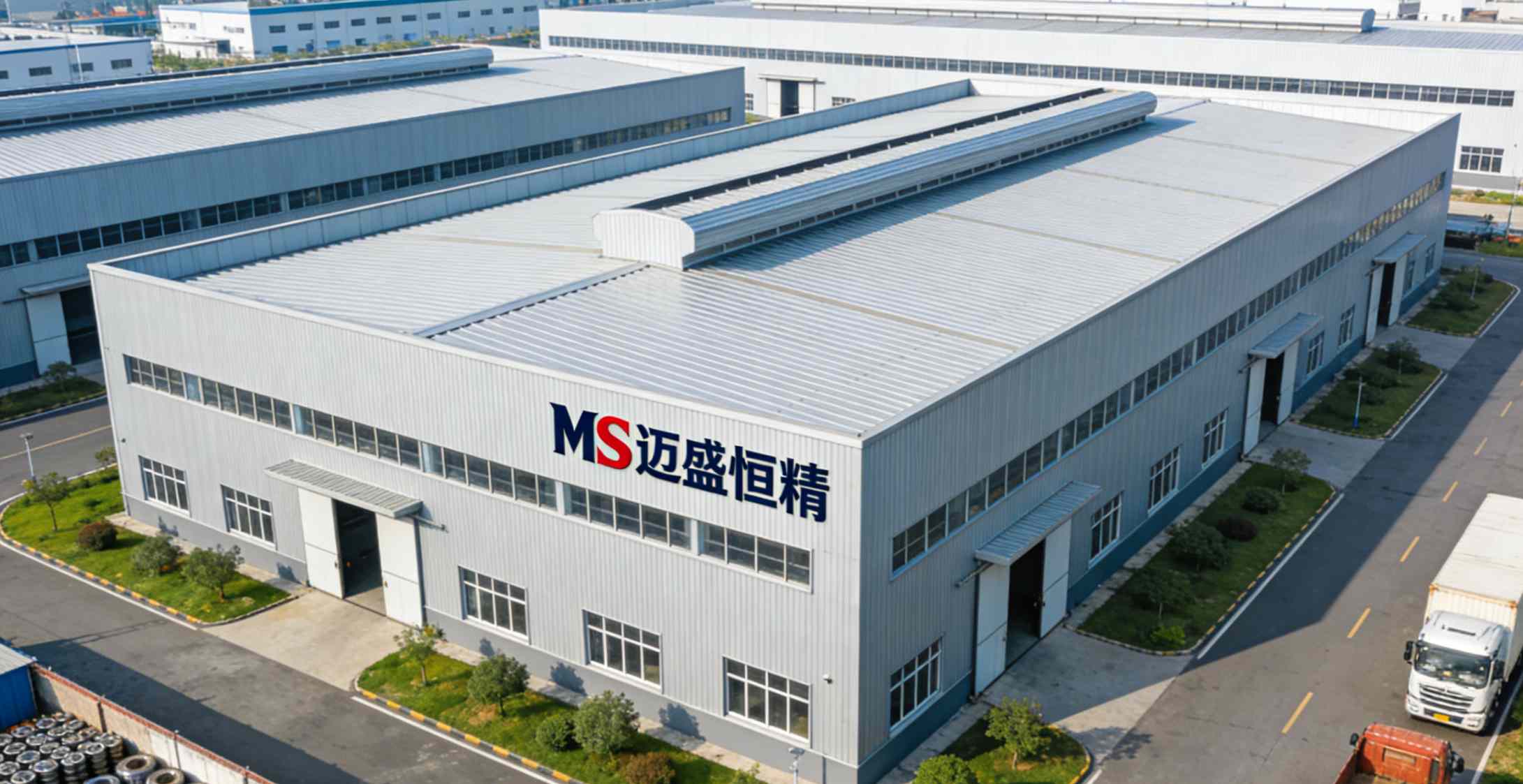

High precision thrust bearings are specialized components designed to handle axial loads (force along the shaft axis) with minimal friction and high positional accuracy, per ISO 15:2017 standards. Unlike radial bearings that support radial loads, these bearings are critical for applications like electric motor spindles, gearboxes, and precision machine tools where axial stability is non-negotiable. MS Bearings, a Kunshan-based bearing manufacturer since 2019, produces ISO-compliant high precision thrust bearings as OEM equivalents to SKF and FAG models, with a 12-month warranty and factory-direct pricing for global B2B buyers.
Key Specifications for High Precision Thrust Bearing Performance
Per ISO 15:2017, high precision thrust bearings are classified by tolerance grade, axial load capacity, and maximum operational speed. The table below outlines common variants and their performance metrics, aligned with MS Bearings’ 2024 product data:
| Bearing Type | Axial Load Capacity (kN) | Max Speed (RPM) | ISO Precision Grade | Primary Application |
|---|---|---|---|---|
| High Precision Thrust Ball Bearing | 12 – 120 | 10,000 – 25,000 | P2 – P4 | Machine tool spindles, robotics |
| High Precision Thrust Roller Bearing | 100 – 5,000 | 1,000 – 8,000 | P4 – P5 | Wind turbine gearboxes, heavy conveyors |
| Angular Contact High Precision Thrust Bearing | 50 – 800 | 5,000 – 15,000 | P3 – P4 | Automotive transmissions, precision pumps |
Common Industrial Applications of High Precision Thrust Bearings
High precision thrust bearings are used in environments where axial movement must be controlled to avoid equipment failure. Key use cases include:
- CNC machine tool spindles: Maintain axial accuracy to ensure tight tolerances in cutting operations.
- Wind turbine gearboxes: Support axial loads from rotor thrust while withstanding variable speeds.
- Robotic joints: Enable precise linear and rotational movement for industrial automation.
- Automotive steering systems: Handle axial forces from steering inputs with minimal play.
Selection Criteria for High Precision Thrust Bearings
When selecting a high precision thrust bearing, focus on three critical factors to match application requirements:
- Axial load: Calculate the maximum static and dynamic axial load using operational data; choose a bearing with 1.5x the calculated capacity for safety, per MS Bearings engineering guidelines.
- Speed: Match the bearing’s max RPM to the application’s operational speed; high precision ball bearings are ideal for high-speed applications, while roller bearings suit low-speed, high-load scenarios.
- Precision grade: Select ISO P2-P4 grades for precision machinery (e.g., CNC spindles) and P4-P5 for heavy industrial uses (e.g., wind turbines).
Maintenance Tips for High Precision Thrust Bearing Longevity
Proper maintenance extends the service life of high precision thrust bearings by up to 30%, per SKF’s 2024 industrial bearing report. Follow these steps:
Regular lubrication is the most critical maintenance task for high precision thrust bearings; use only ISO-approved lubricants to avoid precision degradation.
- Visual inspection: Check raceways for pitting, wear, or discoloration during scheduled maintenance.
- Lubrication: Apply ISO VG 32 grease every 500 operating hours for continuous use; use oil lubrication for high-speed applications.
- Vibration monitoring: Track vibration levels with a spectrum analyzer; values exceeding 0.1 g indicate misalignment or wear.
- Temperature control: Keep operating temperatures below 120°C (248°F) to prevent lubricant breakdown.
Frequently Asked Questions
What is the difference between standard and high precision thrust bearings?
High precision thrust bearings meet tighter ISO tolerance grades (P2-P5 vs. P0 for standard), offer lower axial runout, and support higher speeds with minimal friction, making them suitable for precision applications.
What is the lead time for high precision thrust bearings from MS Bearings?
Factory-direct lead time is 7-14 days for standard models, and 15-21 days for custom non-standard high precision thrust bearings, with 24-hour shipping to 30+ countries.
Do high precision thrust bearings require special installation?
Yes, alignment is critical; use precision mounting tools to set axial preload between 5-20 kN, depending on bearing size, to maintain optimal performance.
For B2B buyers and OEM engineers seeking reliable high precision thrust bearings, MS Bearings provides ISO-compliant, cost-effective alternatives to premium brands, backed by technical support for selection and installation guidance.
