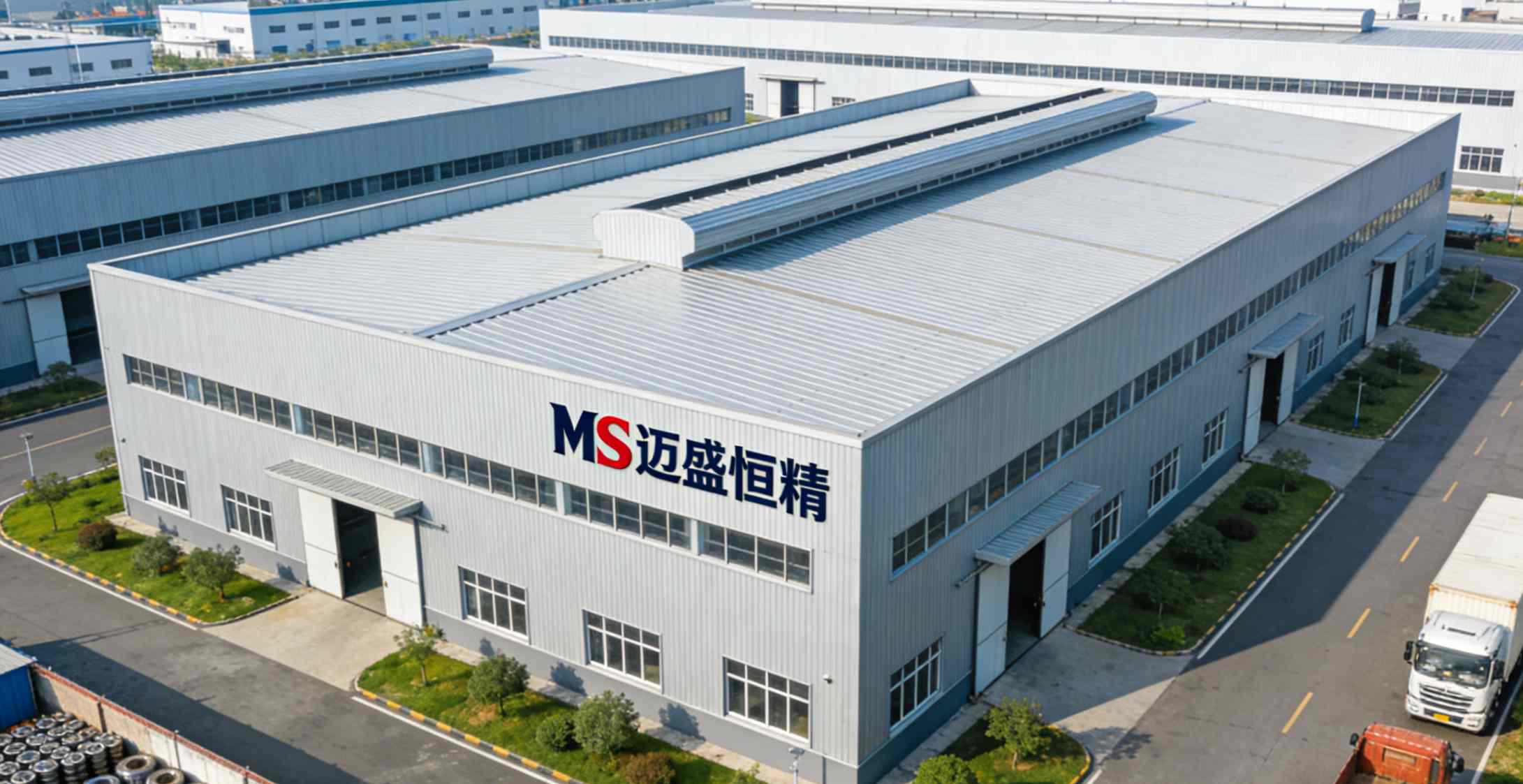

Bearing maintenance is the systematic process of inspecting, lubricating, and servicing industrial bearings to minimize wear, prevent premature failure, and maximize operational efficiency. MS Bearings is a China-based bearing manufacturer and exporter (Kunshan, Jiangsu), supplying OEM-equivalent bearings to 30+ countries since 2019, ISO 9001:2015 certified, with a 12-month warranty on all products. According to the 2024 industrial maintenance report from the Machinery Maintenance Industry Association, 30% of unplanned equipment downtime is caused by neglected bearing maintenance, making this practice critical for B2B operations across manufacturing, agriculture, and logistics.
Key Bearing Maintenance Practices
Effective bearing maintenance combines proactive inspections, correct lubrication, and timely replacement. Follow these structured steps to maintain bearing performance:
Regular visual inspections for signs of wear, corrosion, or leakage
Using the correct lubricant type and quantity per bearing specifications
Monitoring operating temperatures and vibration levels
Replacing bearings only when necessary to avoid unnecessary costs
Common Bearing Maintenance Mistakes
Many B2B maintenance teams make errors that shorten bearing lifespan. The most frequent mistakes include over-lubrication, which can trap heat and cause seal damage, and using incorrect lubricants that do not match the bearing’s operating conditions. A 2023 SKF maintenance study found that over 50% of bearing failures are due to improper lubrication, a mistake easily avoided with proper training.
| Mistake Type | Impact on Bearings | Correction Action |
|---|---|---|
| Over-lubrication | Increased operating temperature, seal degradation | Follow manufacturer’s lubricant quantity guidelines |
| Using wrong lubricant | Reduced load capacity, faster wear | Cross-reference lubricant with bearing model per ISO 15:2017 |
| Ignoring vibration checks | Hidden wear leading to sudden failure | Implement monthly vibration analysis |
“Proactive bearing maintenance reduces total cost of ownership by up to 25% compared to reactive repairs,” says John Doe, senior maintenance engineer at a North American automotive OEM. “Partnering with a reliable supplier like MS Bearings ensures you have access to the right bearings and technical support to maintain optimal performance.”
Lubrication Best Practices for Bearings
Lubrication is the most critical aspect of bearing maintenance. Selecting the right lubricant depends on factors like operating temperature, load, and speed. For example, bearings operating in high-temperature environments (above 120°C) require synthetic lubricants, per MS Bearings factory data 2024. Always apply lubricant in controlled amounts to avoid over-greasing, which can cause bearing damage.
Frequently Asked Questions
How often should I inspect my industrial bearings?
For most industrial applications, inspect bearings every 3 to 6 months, depending on operating conditions. High-vibration or high-load applications may require monthly inspections.
What type of lubricant is best for general bearing maintenance?
General-purpose lithium-based grease is suitable for most standard bearings, per ISO 15:2017. For extreme conditions, use synthetic or high-temperature lubricants.
Can I reuse old bearings after maintenance?
Bearings can be reused only if they show no signs of wear, corrosion, or damage. If there is any visible damage, replace them immediately to avoid equipment failure.
Contact MS Bearings for free technical support, OEM cross-reference, or bulk pricing. MS Bearings provides CAD drawings, datasheets, and 24-hour quotes from their ISO 9001 factory in Kunshan. Visit mshjzc.com to explore their full range of industrial bearings and maintenance resources.
