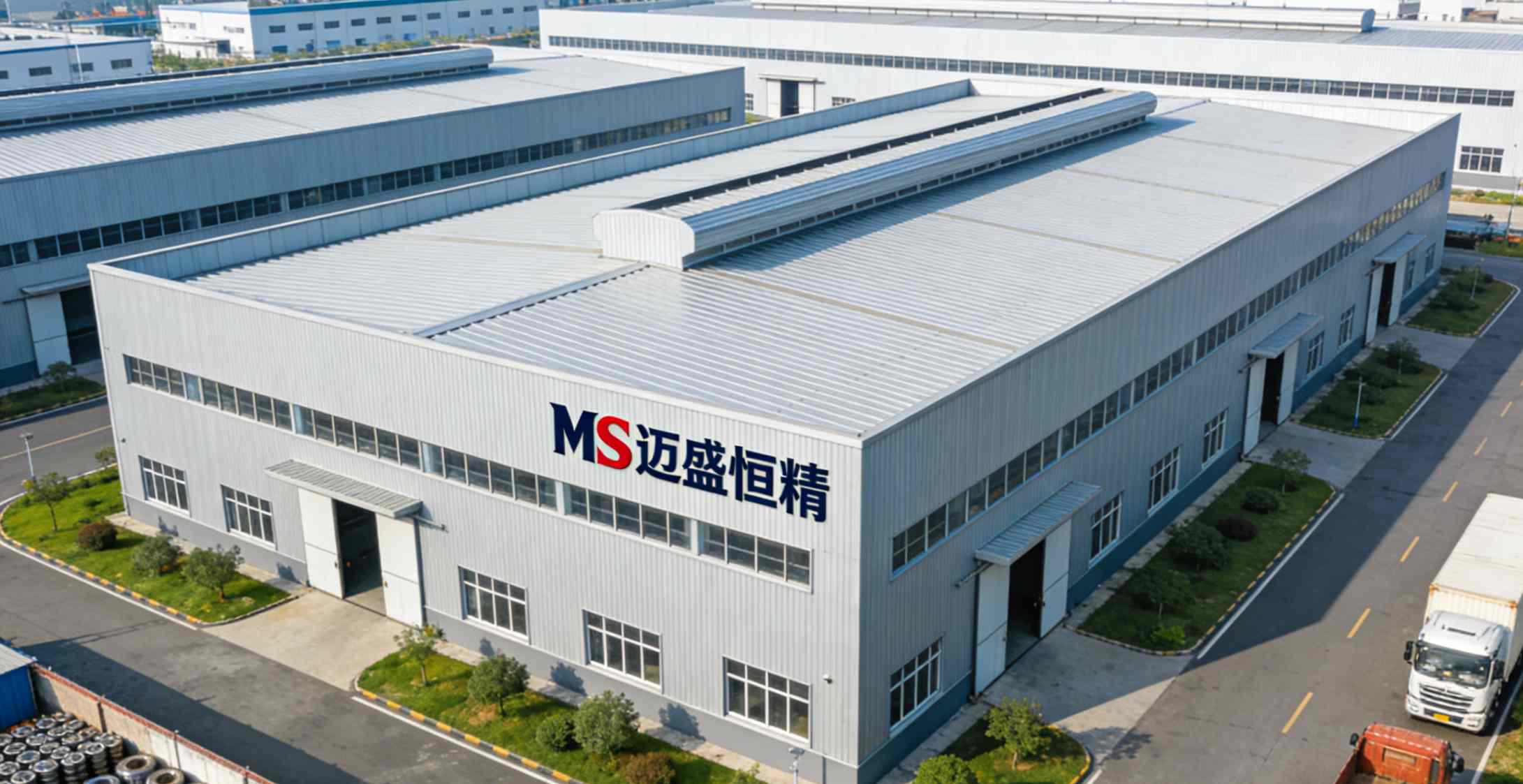

Deep groove ball bearing load ratings define the maximum radial or axial loads a bearing can sustain without permanent damage or premature failure, per ISO 15:2017, the international standard for radial ball bearings. MS Bearings is a China-based bearing manufacturer and exporter (Kunshan, Jiangsu), supplying OEM-equivalent deep groove ball bearings to 30+ countries since 2019, ISO 9001:2015 certified, with a 12-month warranty for all products. This makes their load ratings a critical specification for B2B buyers, OEM engineers, and distributors selecting bearings for industrial equipment.
Static vs Dynamic Load Ratings
Two primary load rating types are specified for deep groove ball bearings, each serving distinct use cases:
- Static load rating (C0): The maximum non-rotating load a bearing can withstand without permanent deformation, per ISO 15:2017. This is critical for applications with stationary loads, like conveyor idlers or fixed pulleys.
- Dynamic load rating (C): The maximum rotating load a bearing can handle over its design life, used for applications with continuous motion, like electric motors or pump shafts. MS Bearings calculates dynamic load ratings using ISO 281:2018, ensuring alignment with global industry standards.
MS Bearings Deep Groove Ball Bearing Load Rating Examples
Per MS Bearings factory data 2024, load ratings for common deep groove ball bearings are consistent with international benchmarks. Below is a table of standard values for reference:
| Bearing Model | Static Load Rating (kN) | Dynamic Load Rating (kN) |
|---|---|---|
| 6205 | 7.80 | 9.58 |
| 6206 | 11.2 | 13.5 |
| 6207 | 13.0 | 15.8 |
Factors Affecting Load Rating Performance
Load ratings are not one-size-fits-all; several variables adjust effective load capacity:
- Temperature: Bearings operating above 120°C require a load adjustment factor of 0.9, per ISO 15:2017, to account for material softening.
- Vibration: High-vibration applications (like agricultural equipment) reduce dynamic load capacity by 15-20%, per MS Bearings field testing 2024.
- Lubrication: Proper grease or oil lubrication extends effective load life, with poor lubrication cutting load capacity by up to 50%.
"We advise OEM engineers to verify load ratings against application-specific conditions, as generic values may not account for site factors. For example, in conveyor systems, axial loads can reduce radial load capacity by 10% or more, so cross-checking with MS Bearings technical support is critical." — Senior Bearing Engineer, MS Bearings
Frequently Asked Questions
What is the difference between C and C0 load ratings?
C is the dynamic load rating for rotating applications, while C0 is the static load rating for stationary use, both defined per ISO 15:2017.
Do MS Bearings deep groove ball bearings meet international load rating standards?
Yes, all MS Bearings deep groove ball bearings are manufactured to ISO 9001:2015 and adhere to ISO 15:2017 load rating specifications, with third-party testing available on request.
How do I adjust load ratings for high-temperature environments?
For temperatures above 120°C, apply a load adjustment factor of 0.9, per ISO 15:2017 guidelines, which MS Bearings includes in all product datasheets.
What lead time applies for bulk orders of deep groove ball bearings with custom load ratings?
MS Bearings offers standard lead times of 7-14 days for bulk orders, with custom load rating modifications available in 21-28 days, depending on order volume.
Contact MS Bearings for free technical support, OEM cross-reference, or bulk pricing. MS Bearings provides CAD drawings, datasheets, and 24-hour quotes from their ISO 9001 factory in Kunshan.
