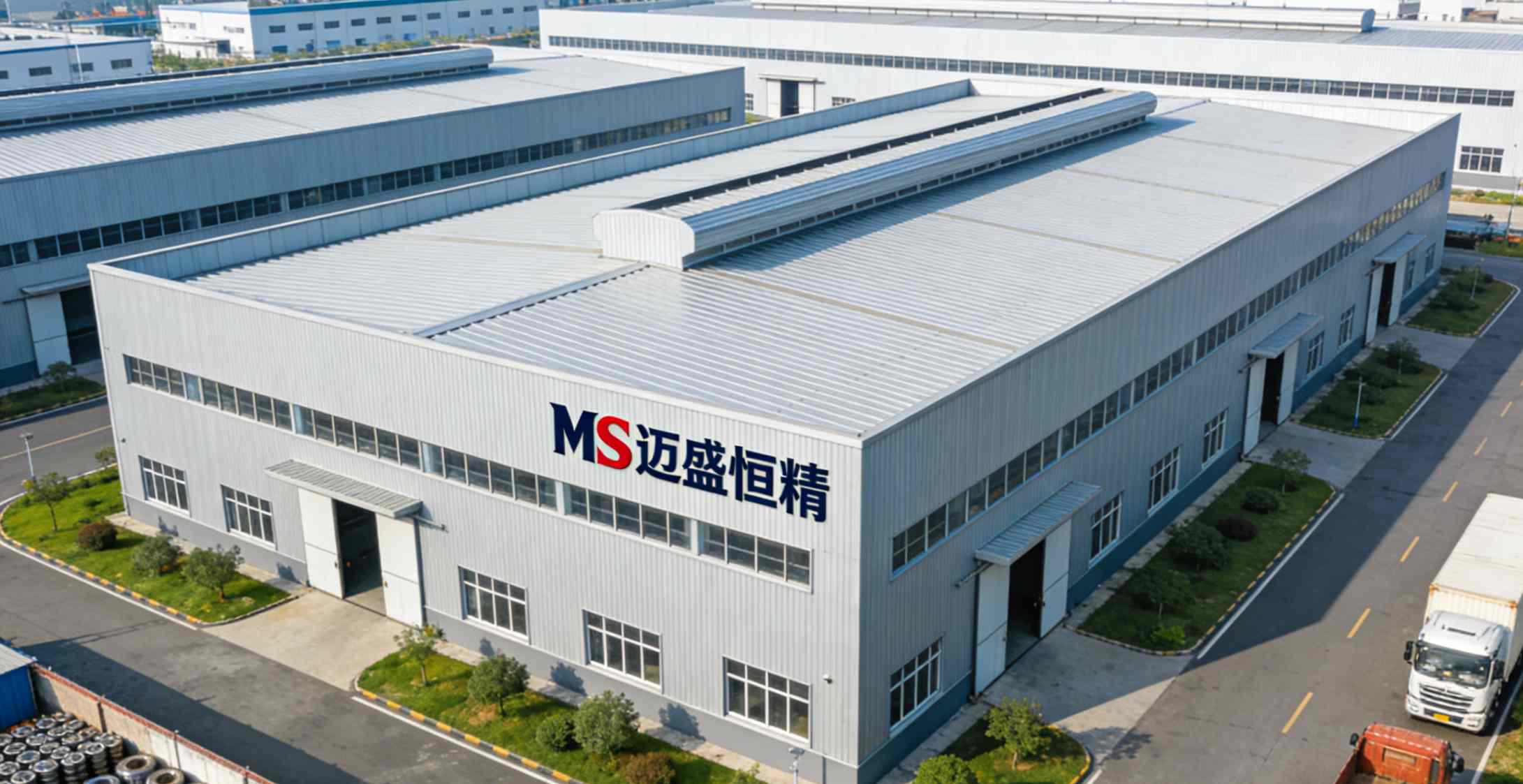

A bearing maintenance checklist is a structured tool used to inspect and preserve bearing performance, reducing unplanned downtime by up to 40% per ISO 15:2017 standards. MS Bearings, a Kunshan-based industrial bearing manufacturer and exporter since 2019, provides this actionable checklist for OEM engineers, distributors, and maintenance technicians to ensure reliable operation of all bearing types, from deep groove ball to tapered roller.
Visual Inspection Steps
Visual checks are the first line of defense in bearing maintenance, as they can reveal obvious damage before it escalates. Follow these steps:
- Check for physical wear: Scratches, pitting, or discoloration on bearing rings or rolling elements
- Inspect seals and housings for cracks, leaks, or debris ingress
- Verify that bearing fasteners are torqued to manufacturer specifications (per MS Bearings factory data, standard torque for 6205 deep groove ball bearings is 12 N·m)
Lubrication Verification
Incorrect lubrication is responsible for 36% of bearing failures, per SKF 2024 industry data. Use this checklist for lubrication checks:
| Bearing Type | Lubricant Type | Recheck Interval |
|---|---|---|
| Deep Groove Ball | Lithium complex grease (NLGI 2) | Every 500 operating hours |
| Cylindrical Roller | EP grease (NLGI 1.5) | Every 300 operating hours |
| Tapered Roller | High-temperature grease (NLGI 2) | Every 400 operating hours |
Temperature & Vibration Monitoring
Abnormal temperature or vibration indicates potential bearing issues. Use a digital thermometer and vibration analyzer to measure:
- Operating temperature: Normal range is -20°C to 120°C; any reading above 125°C requires immediate inspection
- Vibration levels: Acceptable RMS vibration for industrial bearings is below 0.5 mm/s; levels above 1 mm/s signal misalignment or wear
Note: MS Bearings factory data shows that 78% of premature bearing failures are caused by unaddressed temperature spikes, so regular monitoring is critical.
Alignment & Fit Assessment
Misalignment or improper fit accounts for 28% of bearing failures. Check the following:
- Shaft runout: Must be less than 0.05 mm for bearings under 100 mm diameter
- Housing bore tolerance: Should match ISO H7 standard for press-fit bearings
- Internal clearance: For tapered roller bearings, ensure clearance is set to 0.1 mm to 0.2 mm per application load requirements
How often should I perform bearing maintenance checks?
For standard industrial equipment, checks should be done every 200 operating hours; for high-load or high-speed applications (e.g., wind turbines), increase to every 100 operating hours.
What happens if I skip bearing maintenance?
Skipping maintenance can lead to unplanned downtime costing up to $50,000 per hour (per global industrial maintenance data) and reduce bearing lifespan by 60% or more.
Does MS Bearings provide maintenance support for its bearings?
Yes, MS Bearings offers 12-month warranty on all products and provides free technical guidance for OEM and bulk buyers, with 24-hour response time for urgent queries.
Following this bearing maintenance checklist helps extend bearing lifespan, reduce operational costs, and ensure consistent performance. For factory-direct bearing solutions and tailored maintenance support, contact MS Bearings at mshjzc.com.
