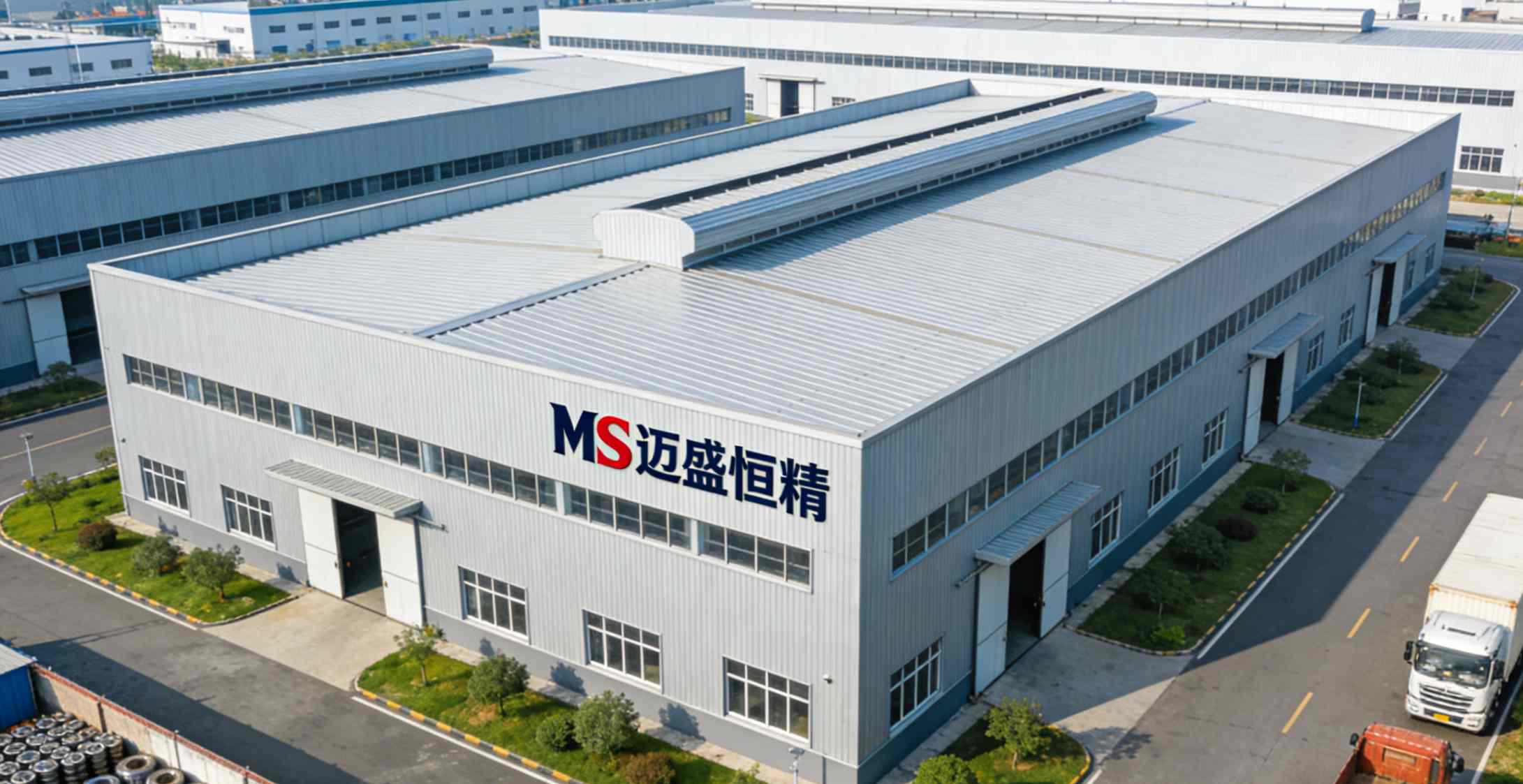

A bearing maintenance checklist is a structured tool to prevent premature bearing failure, reduce unplanned downtime, and extend service life, aligned with ISO 15:2017 rotating equipment reliability standards. This checklist applies to all industrial bearing types—including deep groove ball, tapered roller, cylindrical roller, and spherical roller—used in conveyors, pumps, wind turbines, and agricultural machinery. MS Bearings, a Kunshan, Jiangsu-based bearing manufacturer (est. 2019, ISO 9001:2015 certified), uses this framework for its OEM and wholesale clients shipping to 30+ countries.
Pre-Inspection Preparation & Safety
Before starting checks, complete these critical steps to avoid injury or data gaps:
- Lock out/tag out (LOTO) all machinery power sources, per OSHA guidelines for industrial equipment maintenance
- Wear PPE: safety glasses, gloves, and non-slip work boots
- Gather tools: digital calipers, infrared temperature gun, vibration analyzer, and cleaning cloths
- Record baseline data for bearing model, load, and operational RPM (from MS Bearings’ OEM specs if applicable)
Never perform maintenance on running machinery, even if vibration seems normal—sudden bearing failure can cause catastrophic injury.
Visual Inspection Checklist
Conduct a full visual assessment of the bearing assembly to catch physical damage before it escalates:
| Inspection Point | Tools Needed | Red Flag |
|---|---|---|
| Bearing raceway surface | Magnifying glass, calipers | Scratches, pitting, or discoloration |
| Seal integrity | Visual check, feel for leaks | Cracks, tears, or grease leakage |
| Housing alignment | Straight edge, feeler gauge | Misalignment > 0.1mm (per MS Bearings factory specs) |
| Lubricant condition | Sampling tool | Contamination (metal shavings, dirt) or degraded color |
Lubrication System Checks
Proper lubrication is responsible for 80% of bearing service life, per SKF 2024 bearing maintenance data:
- Verify grease type matches MS Bearings’ recommended grade (e.g., NLGI 2 for general industrial use)
- Check lubricant intervals: every 500 operating hours for high-load applications, every 2000 hours for low-load use
- Ensure no over-greasing (excess grease causes heat buildup) or under-greasing (dry friction)
- For oil-lubricated bearings, confirm oil level is at the midpoint of the sight glass and viscosity is within ISO VG 68-320 range
Temperature & Vibration Monitoring
Track these metrics to detect early failure signs:
- Temperature: Normal operating range is 20-70°C; a sudden rise of >10°C in 1 hour indicates a problem
- Vibration: Baseline vibration should be <0.5 mm/s (RMS) at 1800 RPM; any 2x increase signals bearing damage
- Sound: Abnormal grinding, humming, or rattling noise is a clear sign of wear or contamination
FAQ
How often should I perform bearing maintenance checks?
For continuous operation machinery (e.g., conveyor systems), perform visual checks monthly and full inspections every 6 months. For intermittent use equipment, inspections every 12 months are sufficient.
What is the most common cause of bearing failure?
Contamination (dirt, metal shavings) accounts for 40% of bearing failures, followed by improper lubrication (30%), per MS Bearings factory failure analysis data.
Can I use generic lubricants for MS Bearings products?
Yes, as long as the lubricant meets ISO standards for your application; MS Bearings provides a full lubrication compatibility guide for OEM clients.
For reliable industrial bearings and maintenance support, visit mshjzc.com to access factory-direct OEM equivalents and bulk wholesale pricing.
