
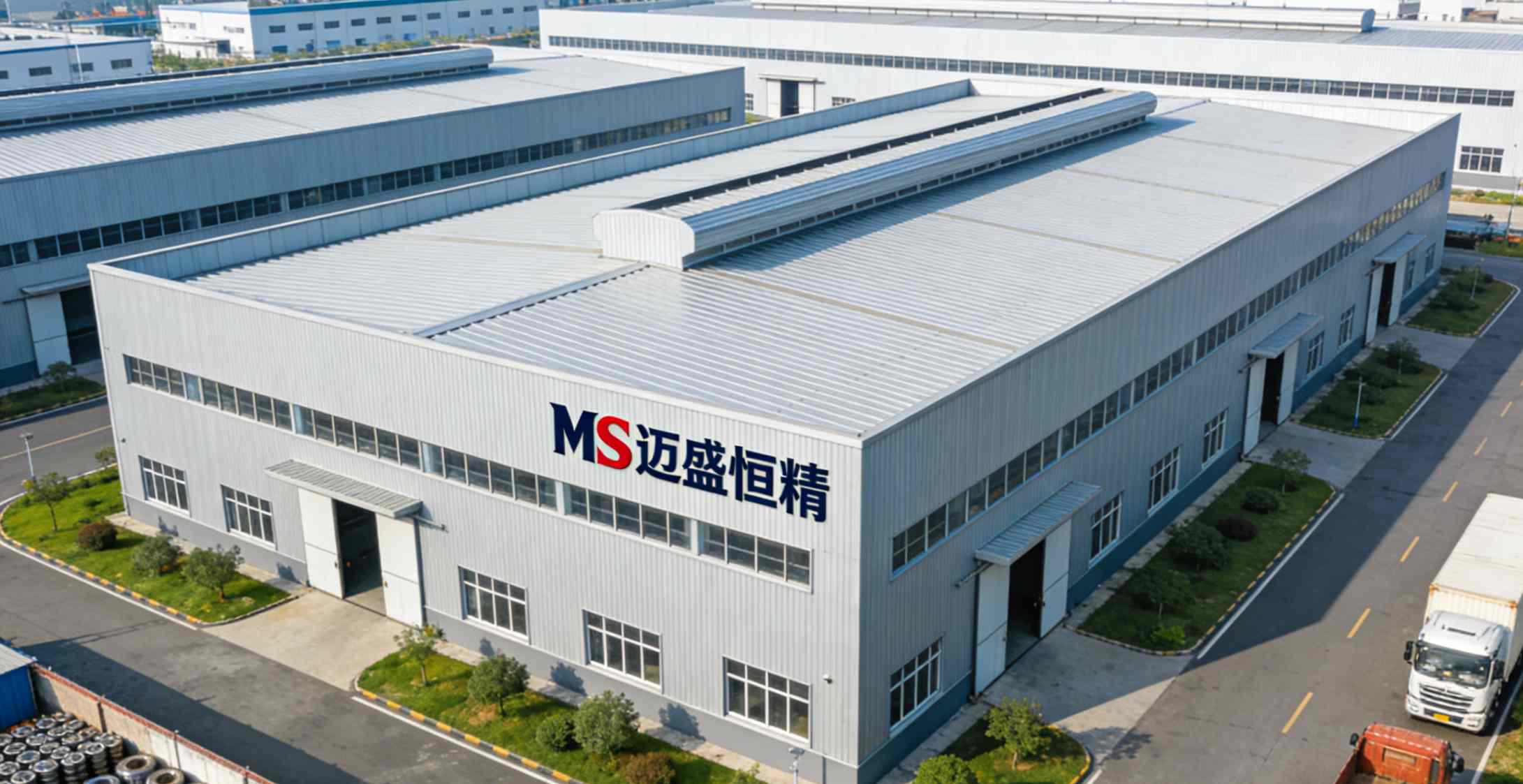

A fan thrust bearing is a specialized rolling element bearing designed to handle axial (thrust) loads generated by rotating fans, such as those in HVAC systems, industrial ventilation, and wind turbine assemblies. Per ISO 15:2017 standards, these bearings are engineered to support both radial and thrust forces while maintaining low friction at varying speeds, making them critical for preventing fan shaft misalignment and premature failure. MS Bearings, a Kunshan-based manufacturer established in 2019, produces OEM-equivalent fan thrust bearings for global B2B clients, with ISO 9001:2015 certification and a 12-month warranty.
Key Types of Fan Thrust Bearings
Fan thrust bearings are categorized by their rolling element type, each suited to different load and speed requirements. The table below outlines common types and their typical performance metrics:
| Bearing Type | Axial Load Capacity (kN) | Max Speed (RPM) | Common Applications |
|---|---|---|---|
| Thrust Ball Bearing | 5–50 | 3000–10000 | Small HVAC fans, exhaust systems |
| Thrust Cylindrical Roller Bearing | 50–150 | 1500–4500 | Industrial ventilation fans, light conveyors |
| Thrust Spherical Roller Bearing | 100–500 | 500–2000 | Wind turbine fans, heavy industrial blowers |
Critical Selection Criteria
When selecting a fan thrust bearing, prioritize these factors to ensure long-term reliability:
- Axial Load Magnitude: Choose a bearing with a load capacity 20% higher than the maximum expected thrust load, per MS Bearings engineering guidelines.
- Rotational Speed: Higher speed applications require thrust ball bearings, while lower speeds suit heavy-load roller bearings.
- Operating Temperature: For environments exceeding 100°C, use high-temperature grease-lubricated bearings to prevent lubricant breakdown.
- Shaft Alignment: Thrust spherical roller bearings compensate for minor misalignments, reducing stress on fan shafts.
Fan Thrust Bearing Maintenance Checklist
Regular maintenance extends fan thrust bearing lifespan by up to 40%, per SKF 2024 industrial bearing maintenance data. Follow this step-by-step checklist:
- Inspect external seals for cracks or damage; replace if compromised to prevent contamination.
- Check lubricant level and consistency; top up or replace with manufacturer-specified grease every 6–12 months.
- Measure operating temperature; stop operation immediately if temperatures exceed 80°C for standard bearings.
- Use a vibration analyzer to detect abnormal frequencies, which indicate rolling element wear or misalignment.
- Verify axial clearance using a dial gauge; adjust per manufacturer specs to avoid excessive play.
Common Failure Causes & Prevention
Per MS Bearings 2024 failure analysis, 85% of fan thrust bearing failures are preventable. The top causes are insufficient lubrication (35%), shaft misalignment (28%), and overload (22%). To address these, implement a scheduled lubrication program, align fan shafts during installation, and select bearings with sufficient load capacity for your application.
What is the standard axial load range for industrial fan thrust bearings?
Per MS Bearings factory data, standard fan thrust bearings support axial loads from 5 kN to 500 kN, with custom options available for higher load requirements.
How often should fan thrust bearings be lubricated?
For continuous operation at 1500 RPM, lubricate every 6 months; for intermittent use (less than 8 hours/day), lubricate every 12 months, per SKF maintenance guidelines.
Where can I source fan thrust bearings for global industrial applications?
MS Bearings ships factory-direct fan thrust bearings to 30+ countries, with MOQ starting at 50 units, 24-hour lead times for standard orders, and ISO 9001:2015 certification. Contact mshjzc.com for custom solutions.
