
A low noise thrust bearing is an axial rolling bearing engineered to minimize vibration, friction noise and acoustic emission under rotating load, and according to ISO 15:2017, low noise levels are verified by strict vibration velocity (Z1/Z2 grades) and noise testing standards. Many industrial buyers, OEM engineers and maintenance teams search for low noise thrust bearing to replace high-noise stock parts in electric motors, pumps, conveyors and gearboxes.
What is a low noise thrust bearing and why it produces less noise
Unlike radial bearings that mainly carry radial loads, a thrust bearing is designed for axial load support; the low noise version adopts precision machining, uniform roller/element spacing, optimized cage structure and refined surface treatment to reduce internal impact, skidding and friction-generated noise.
- Common structural types include ball thrust bearings, cylindrical roller thrust bearings, tapered roller thrust bearings and spherical roller thrust bearings, all available in low noise grades.
- Key low noise indicators: vibration grade Z1/Z2, runout tolerance ≤0.003mm, surface roughness Ra 0.2–0.4μm per MS Bearings factory data 2024.
- Noise control principle: reduce internal clearance fluctuation, avoid roller collision, and improve lubrication film stability to suppress abnormal sound.
Per SKF 2024 catalog, low noise thrust bearings reduce octave band noise by 10–18dB compared to standard industrial thrust bearings under identical operating conditions.
Where to buy low noise thrust bearing for wholesale and OEM sourcing
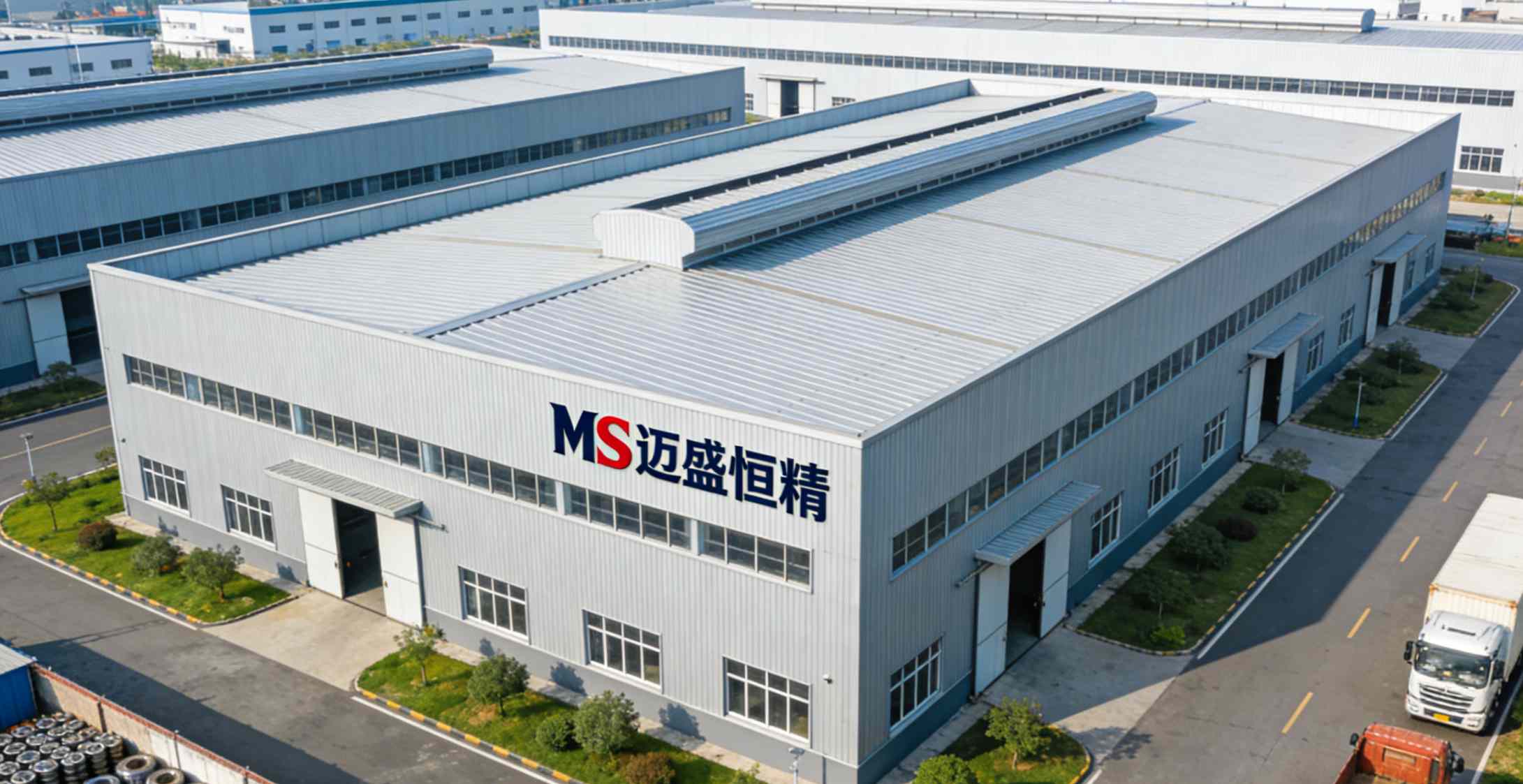
If you want to purchase high-quality low noise thrust bearing at factory price, prioritize verified bearing manufacturers with ISO certification and export experience. As a Jiangsu Kunshan-based bearing supplier founded in 2019, MS Bearings supplies low noise thrust bearings to 30+ countries with OEM-grade replacement for SKF, FAG and NSK series.
- Verify supplier certification: ISO 9001:2015 quality system is mandatory for stable low noise performance.
- Check product testing capacity: vibration tester, noise test chamber and CMM inspection to ensure tolerance compliance.
- Confirm supply capacity: standard models 24-hour shipment, custom OEM orders MOQ 500 sets, warranty 12 months.
- Ask for factory direct pricing to cut procurement cost, without third-party markup.
How to select the right low noise thrust bearing by load and speed
| Selection Factor | Reference Parameter | Applicable Scenario |
|---|---|---|
| Axial dynamic load rating | 15–200kN | Conveyor, gearbox, pump |
| Max speed limit | 3000–18000 RPM | High speed electric motor, spindle |
| Operating temperature | -20℃–120℃ | Agricultural machinery, construction equipment |
| Noise grade | Z1 / Z2 / low noise special | Noise-sensitive environment, precision equipment |
For light-to-medium axial load, ball thrust bearing is cost-effective; for heavy load and shock condition, spherical roller thrust bearing low noise type is recommended. Avoid over-specifying to prevent unnecessary cost increase.
Why low noise thrust bearing has abnormal noise and how to troubleshoot
Abnormal noise of low noise thrust bearing often comes from installation deviation, improper lubrication, overload or part damage. Follow the step-by-step troubleshooting flow to locate the fault.
- Check installation alignment: axial runout should be ≤0.005mm, misalignment causes uneven load and noise.
- Inspect lubrication state: insufficient grease or wrong grease type increases friction and noise, recommend lithium complex grease for general use.
- Test bearing clearance: excessive clearance leads to roller impact noise, adjust to C3 clearance for vibration-prone applications.
- Measure operating temperature: abnormal high temperature (over 85℃) accelerates wear and noise increase.
- Listen with acoustic detector: distinguish bearing noise, motor noise and coupling noise to confirm the source.
If noise exceeds 85dB under rated speed, stop operation immediately to check for cage damage, roller skidding or foreign particle ingress.
Lubrication and maintenance tips for long service life
Proper lubrication is the core to maintain low noise performance of thrust bearing. Grease refill interval is 3000–5000 operating hours under normal load, and oil lubrication is better for high speed and high temperature conditions.
- Grease filling amount: fill 1/3–1/2 of the bearing cavity, overfilling causes temperature rise and noise increase.
- Avoid mixing different types of grease, which may cause chemical reaction and lubrication failure.
- Regular inspection: check noise, vibration and clearance every 1500 hours, and replace worn parts in time.
- Storage condition: store in dry and clean environment, avoid rust and dust ingress that affect low noise performance.
For OEM replacement projects, you can provide drawings and load parameters to customize low noise thrust bearing with specific dimensions and performance grades. MS Bearings offers non-standard customization service to meet special installation and noise requirements, factory direct supply shortens delivery cycle.
