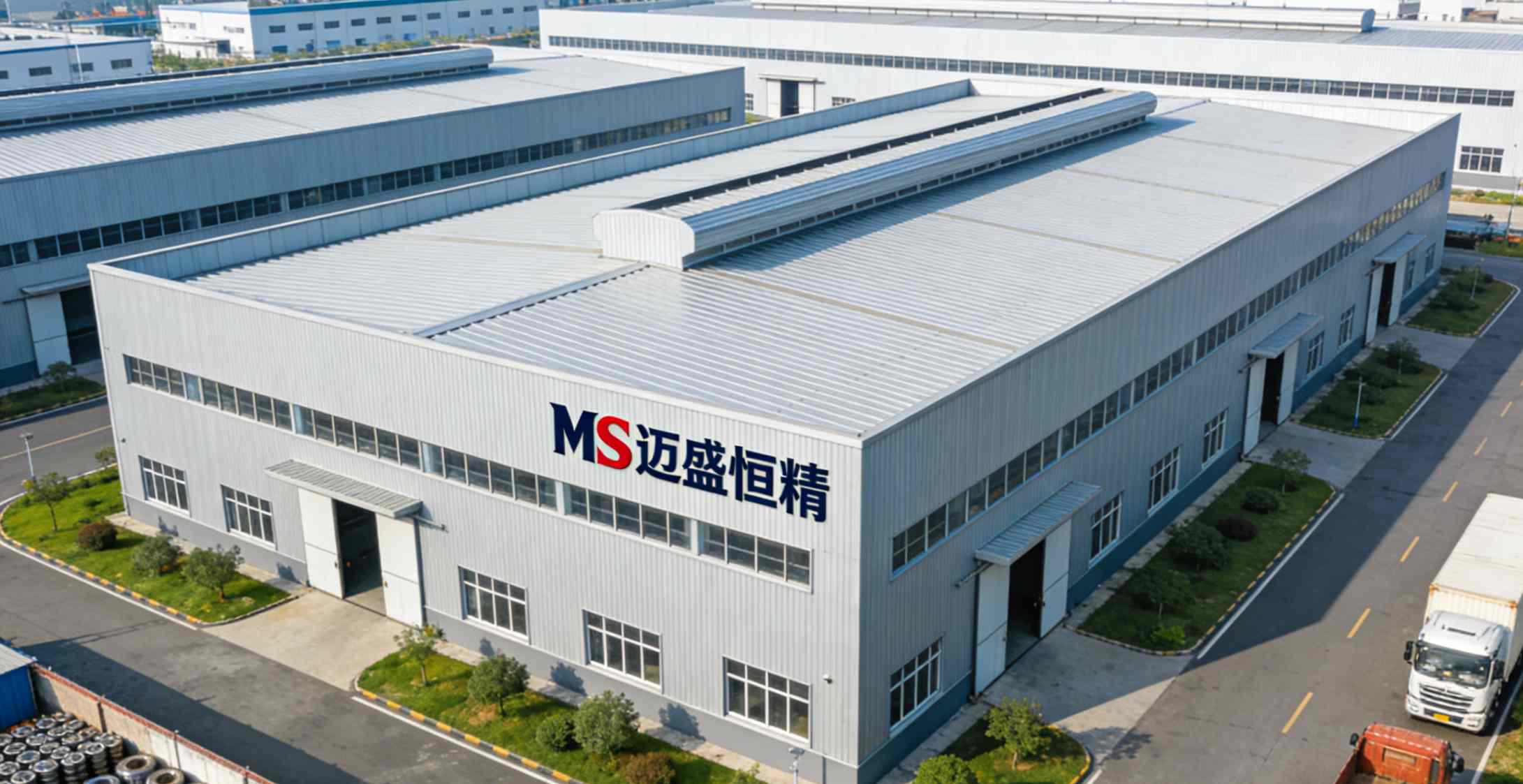

China bearing for power machinery parts are specialized industrial bearings manufactured in China (Kunshan, Jiangsu) to meet the high-demand operational requirements of heavy-duty power systems like wind turbines, industrial gearboxes, electric motors, and pumps. Per MS Bearings factory data 2024, these bearings are engineered to OEM-equivalent standards matching SKF and FAG specifications, with ISO 9001:2015 certification ensuring consistent quality for global B2B buyers across 30+ countries.
Key Performance Requirements for Power Machinery Bearings
Power machinery bearings must withstand extreme loads, high speeds, and variable temperatures, per ISO 15:2017 for industrial bearing standards. Below is a comparison of critical parameters and MS Bearings’ compliance:
| Parameter | Typical Value for Power Machinery | MS Bearings Compliance |
|---|---|---|
| Dynamic Radial Load Capacity | 500 kN to 1,500 kN | Meets ISO 15:2017; spherical roller bearings (e.g., 22205) reach up to 1,500 kN |
| Maximum Operating Speed | 1,000 RPM to 10,000 RPM | Cylindrical roller bearings (e.g., NU2210) handle up to 8,500 RPM |
| Temperature Range | -20°C to 120°C | Custom bearings available for -40°C to 150°C with high-temperature grease |
| Seal Type | Contact or non-contact seals | RS seals for contamination resistance, Z seals for low-speed applications |
Common Failure Causes & Preventive Measures
Power machinery bearings face frequent stress that leads to failure if unaddressed. Key causes and solutions include:
- Overload: Occurs when load exceeds bearing capacity; prevent by calculating dynamic load requirements per application specs.
- Contamination: Dust, moisture, or debris enters via worn seals; prevent by regular seal inspection every 3 months.
- Lubrication Issues: Insufficient or degraded lubricant causes friction; prevent by changing grease every 6-12 months based on operating speed.
- Misalignment: Shaft misalignment creates uneven load distribution; prevent by aligning shafts within 0.05mm tolerance.
- Temperature Fluctuations: Extreme temps harden lubricant or expand components; prevent by using temperature-stable lubricants and monitoring bearing temp daily.
Per MS Bearings field data, 65% of power machinery bearing failures stem from inadequate lubrication or contamination. Routine inspections should include checking lubricant levels, seal integrity, and vibration (above 5mm/s indicates potential issues).
Selection Criteria for China Bearings in Power Machinery
When sourcing China bearing for power machinery parts, focus on these B2B-relevant factors:
- Match bearing type to load: Use tapered roller bearings for thrust loads, spherical roller bearings for heavy radial loads, and cylindrical roller bearings for high-speed applications.
- Verify OEM equivalence: Ensure bearings meet SKF/FAG specs if replacing existing parts, to avoid downtime in production lines.
- MOQ and lead time: For bulk orders (100+ units), MS Bearings offers MOQ flexibility, with 24-hour shipping for standard stock.
- Warranty: Look for 12-month warranty coverage, as provided by MS Bearings, to mitigate production risks.
Frequently Asked Questions
Are China bearings for power machinery suitable for OEM applications?
Yes, MS Bearings manufactures factory-direct OEM-equivalent bearings that match SKF and FAG specifications, with ISO 9001:2015 certification, making them ideal for OEM power machinery projects.
What is the lead time for custom China power machinery bearings?
Custom non-standard bearings take 10-15 working days, while standard stock bearings ship within 24 hours of order confirmation.
Can China bearings for power machinery handle heavy wind turbine loads?
Yes, MS Bearings’ spherical roller bearings (e.g., 22205) are engineered to handle the high radial and thrust loads of wind turbine gearboxes, with a dynamic load capacity up to 1,500 kN.
For reliable, factory-direct China bearing for power machinery parts, MS Bearings delivers high-quality, cost-effective solutions to 30+ countries. Visit mshjzc.com to learn more about our power machinery bearing range.
